Elena Friedrich · 26 October 2026
Navigating Complexity: Lane Integration Strategies for Streamlined Visual Project Management
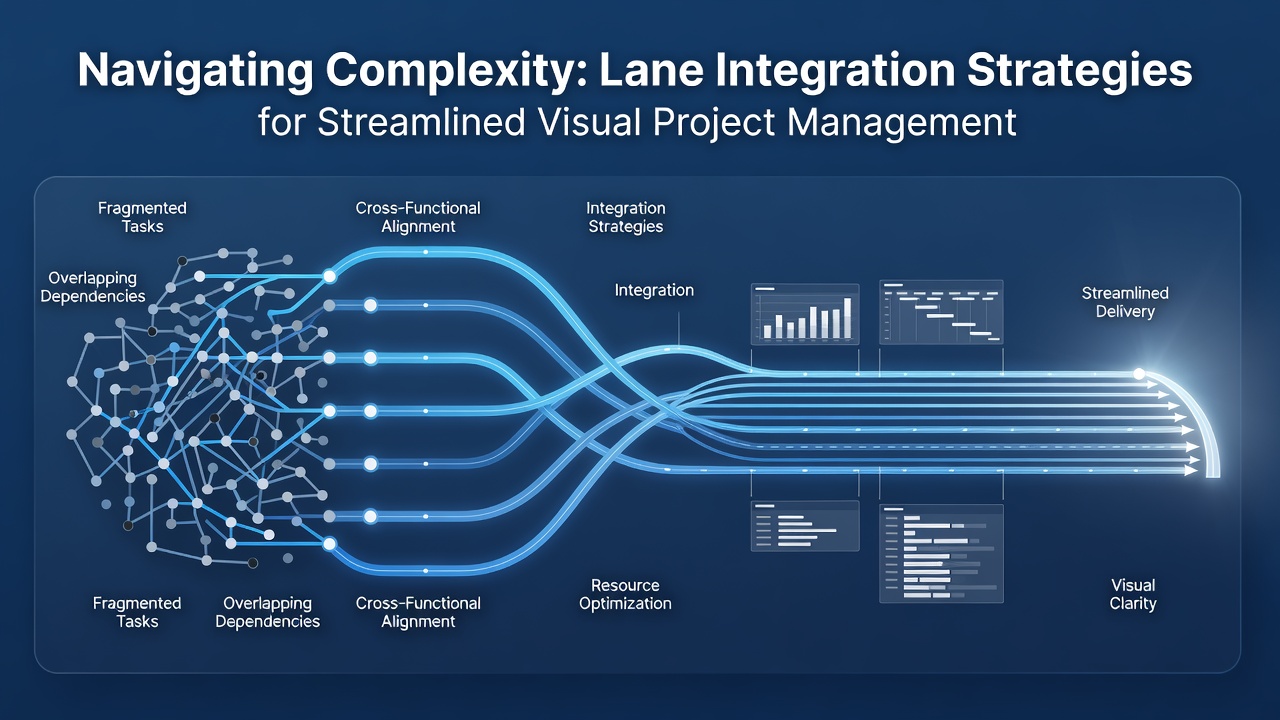
Project teams encounter growing layers of data and dependencies when managing visual workflows, and lane integration offers a structured approach to align elements across shared canvases without fragmentation. Observers note that effective lane systems connect isolated task groups into cohesive pathways, allowing updates to propagate across multiple views while preserving individual lane autonomy. Research from academic institutions shows that organizations adopting these methods report measurable gains in coordination speed, particularly when projects span several departments or external partners.
Core Principles of Lane Integration
Lane integration begins with mapping dependencies between visual elements, where each lane represents a distinct category such as timelines, resources, or deliverables, and connectors establish relationships that update dynamically. Those who study visual management systems find that integration reduces duplication because changes in one lane automatically reflect in linked sections, cutting manual reconciliation time. Data from project management studies indicates that teams using integrated lanes complete milestone reviews 25 percent faster on average compared to fragmented setups, according to findings published by the Project Management Institute.
Yet complexity increases when lanes operate at different update frequencies, so integration protocols define synchronization rules that prevent conflicts. Experts have observed that rule sets specifying priority hierarchies help maintain consistency, especially in environments where one lane handles client feedback while another tracks internal deadlines. A case from a Canadian research group illustrated how defining these rules early prevented overlap during a multi-site infrastructure rollout that involved real-time data feeds from field sensors.
Implementation Approaches in Practice
Teams start integration by auditing existing lane structures to identify overlap points, then introduce shared fields or conditional triggers that link related items without merging entire lanes. This modular method preserves specialized views while enabling cross-lane visibility, and figures from industry reports reveal that such targeted connections lower error rates in status reporting. People who have applied these techniques often discover that starting with three to five high-impact links yields better adoption than attempting full-system unification at once.
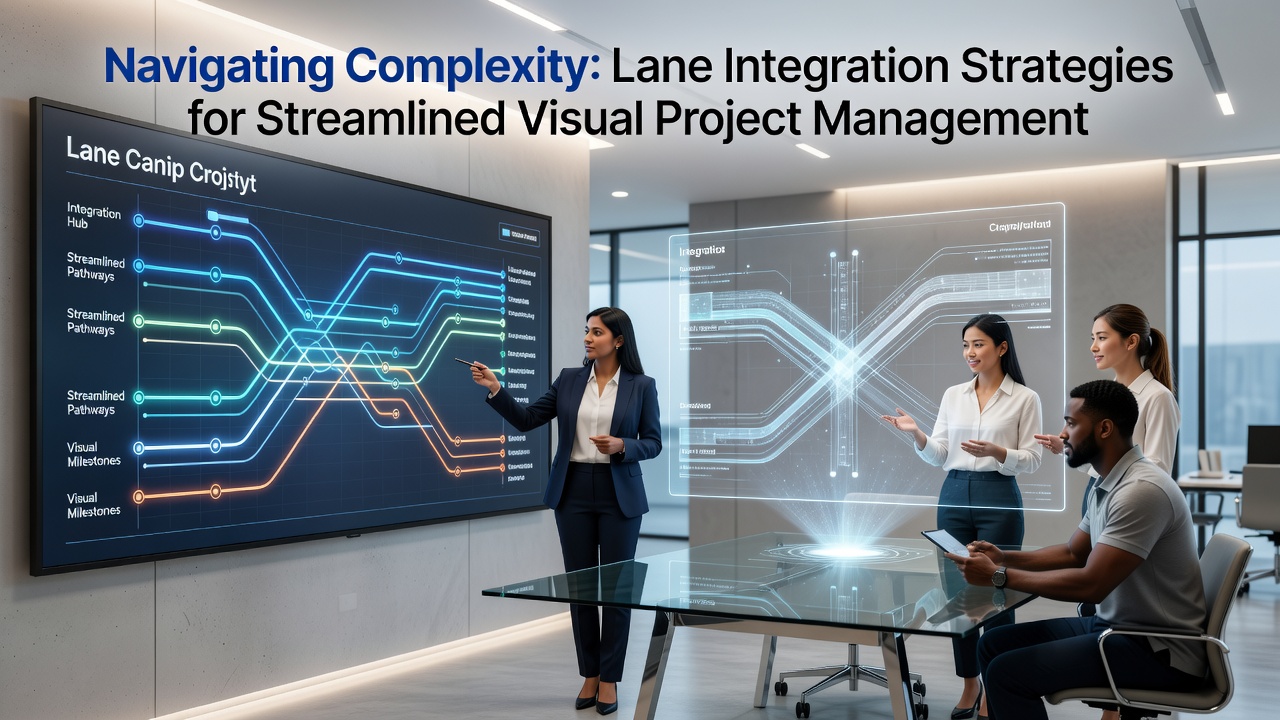
As of October 2026, several European Union-funded initiatives have documented the rollout of lane integration in public sector planning tools, where regulatory compliance lanes must align with budget and timeline lanes under strict audit requirements. These projects demonstrate that integration strategies incorporating audit trails allow stakeholders to trace changes across lanes while meeting transparency mandates. Academic papers from Australian universities further highlight how simulation models test integration scenarios before live deployment, reducing rollout disruptions in large-scale creative and engineering canvases.
Handling Scale and Variability
Scaling lane integration requires attention to performance thresholds because excessive connectors can slow rendering on shared canvases. Researchers discovered that grouping lanes into thematic clusters before adding links keeps system response times within acceptable ranges, even as project scope expands. One engineering firm applied clustering to separate design, procurement, and testing lanes, then established hub lanes that aggregate summary data from each cluster for executive review.
Variability arises when external data sources feed into lanes at irregular intervals, so integration frameworks include buffering mechanisms that queue incoming updates until validation rules are satisfied. Studies indicate these buffers maintain accuracy without halting workflow progress, and observers note improved resilience during peak activity periods such as end-of-quarter reviews. A documented example from a technology consortium showed that buffered integration prevented data conflicts when supplier systems delivered updates during off-peak hours.
Conclusion
Lane integration strategies provide measurable structure for managing visual project complexity by connecting related elements while respecting lane independence. Evidence from multiple regions demonstrates consistent benefits in coordination and error reduction when protocols emphasize dependency mapping, synchronization rules, and performance safeguards. Organizations continue to refine these approaches as project demands evolve, with ongoing documentation supporting broader application across industries.